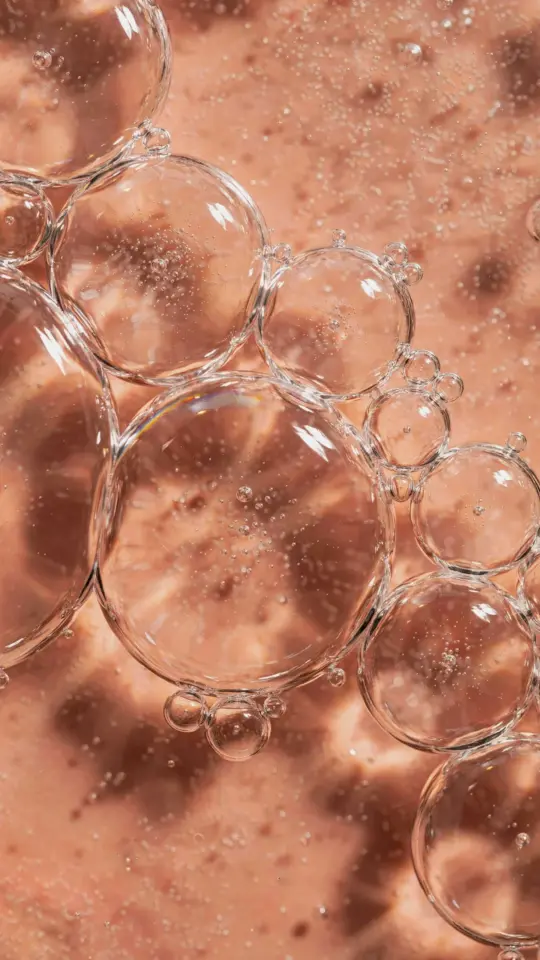
When you zoom in on clear skincare serum bubbles macro photography, the tiny spheres look almost futuristic, like a tiny galaxy trapped in a dropper. But those bubbles are not just for visual appeal, they often reveal how a serum behaves on your skin. After years of testing anti-aging formulas, I have learned that transparent gel textures can be a clean beauty dream, but only if you use them correctly. Let’s talk about the common mistakes that ruin this light, fast-absorbing texture, and how to avoid them.
Why Clear Gel Texture Matters for Anti-Aging Serums
A clear gel texture usually means the formula is water-based rather than oil-heavy. That matters for anti-aging because your skin needs hydration first, then active ingredients like peptides or vitamin C. Water-based gels sink in quickly, so they do not sit on top of the skin like a thick cream might.
For me, the lighter feel is a huge plus in humid weather or under makeup. If a serum has that transparent, almost jelly-like consistency, it delivers actives without feeling sticky. Just remember that not all clear serums are the same, so learn to read the ingredient list instead of judging by eye alone.
Mistake #1: Pumping Air Into Your Serum Before Every Use
I see this all the time, someone shakes the bottle, which creates a frothy mess of bubbles inside the dropper. Those extra bubbles are not helping your skin. In fact, they can cause the serum to oxidize faster because more oxygen gets trapped in the formula.
Gently roll the bottle between your palms instead of shaking it. If you use a dropper, squeeze the bulb slowly and let the serum fill without sucking in air. This simple habit keeps the texture smooth and prevents those unnecessary macro bubbles from forming in the product.
Mistake #2: Applying Gel Serum on Wet Skin When the Texture Turns Milky
Some anti-aging serums change texture upon contact with water, sometimes turning cloudy or clumpy. That is not a sign of poor quality, but it can affect how evenly the product spreads. If you prefer applying serum right after cleansing, pat your face mostly dry first, leaving just a thin veil of moisture.
Test your serum on your forearm for a few days to see how it interacts with water. A clear gel should feel slippery, not tacky. If it turns white or forms beads, that means it contains ingredients like certain polymers or silicones that do not mix well with excess water.
Mistake #3: Confusing Bubbles with Oxidation or Contamination
Many people see tiny bubbles in a clear serum and panic, assuming the product has gone bad. But air bubbles can appear naturally when you pump the bottle or when the serum contains a volatile ingredient like certain botanical extracts. Oxidation usually looks different: the serum turns yellow, brown, or develops a sour smell.
If your serum has a few bubbles but still feels smooth and looks clear, it is likely fine. To avoid contamination, always use a clean, dry spatula or dropper. Never touch the bottle opening with your fingers, and store the serum away from direct sunlight to slow down any degradation.
Mistake #4: Piling Too Many Actives Over a Light Gel Serum
Because a gel texture feels so thin, you might think it is not strong enough, so you layer a heavy oil or a thick moisturizer right on top. That can actually block the serum from sinking in, especially if the gel is designed to be the final step in humid weather. The key is to wait about 60 seconds after applying the serum before adding anything else.
When your skin feels just slightly tacky, that is the perfect window to seal it with a light moisturizer. If the serum disappears quickly, you do not need a heavy layer. Listen to your skin, not the marketing hype.
Mistake #5: Ignoring the Clean Beauty Factor in Texture Choice
Clean beauty formulas often rely on natural thickeners like glycerin or aloe vera instead of synthetic polymers. That is why many clean anti-aging serums have a more watery gel texture, which is honestly easier for your skin to absorb. But some people expect a thick, luxurious feel and then complain that the product is too runny.
Instead of judging by thickness, pay attention to how your skin feels the morning after. A good clean serum should leave your face soft, plump, and never greasy. Here are a few texture cues to look for:
- Transparent, slightly sticky texture before absorption, which means it has humectants like hyaluronic acid.
- No visible oil layer floating on top when you swirl the bottle.
- A drop that spreads easily and dries within 30 seconds.
How to Choose a Serum That Sinks In Fast Without Sticky Residue
Look for ingredients like sodium hyaluronate, panthenol, or aloe leaf juice as the base. These give that clear gel texture without the need for heavy emulsifiers. Avoid products with mineral oil or high amounts of dimethicone if you want a truly fast-absorbing feel.
Patch test a new serum on your jawline for three nights before applying it all over your face. This helps you spot any breakout or irritation before committing to the full routine. A great anti-aging serum should feel like nothing on your skin, yet you should see a subtle glow the next morning.
Final Thoughts on Loving Your Serum Texture
The beauty of clear skincare serum bubbles macro images is that they remind us to pay attention to texture, not just fancy packaging. Your serum should feel light, work well with your other products, and never cause panic when a few bubbles appear. Clean beauty is all about simplicity and efficiency, so choose a formula that feels good on your skin and fits your lifestyle.
What is your favorite serum texture? Do you prefer a watery gel or a thicker cream? Let me know in the comments below, and do not forget to hold your dropper gently next time. 💧
Leave a Comment