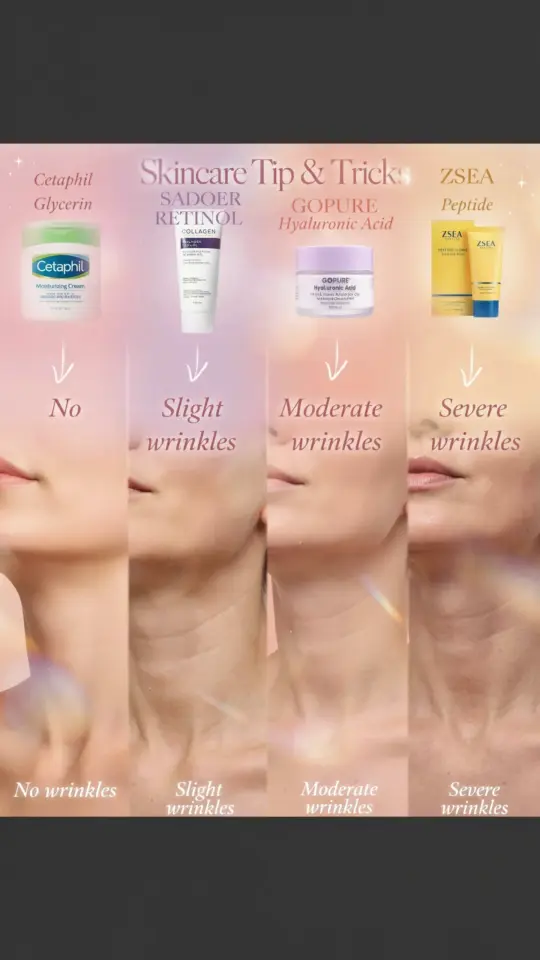
I never believed a before and after acne scars transformation was possible in just 30 days. Honestly, I’d tried everything. Serums that promised the moon. Masks that burned. Prescriptions that dried my skin into a flaky mess. So when I started this routine, I kept my expectations on the floor. Which is why I’m still a little shocked looking at my own progress photos. The marks on my cheeks? They faded. Not completely gone, I’m not a miracle worker, but visibly, undeniably lighter. And the texture? Smoother. The kind of change you can see in natural light without squinting. Here’s exactly what I did, what I used, and what I’d do differently if I had to start over.
Why My Acne Scar Routine Focused on Three Ingredients
Look, I’m not a dermatologist. I’m just someone who spent way too much money on products that did nothing. Ok so after a lot of trial and error (and a few red, angry reactions), I landed on three non-negotiables. Niacinamide, vitamin C, and sunscreen. Every single morning. No skipping. No excuses. Here’s the thing: fading hyperpigmentation is about blocking the process that creates new pigment while speeding up cell turnover. Niacinamide does that gently. Vitamin C is the brightener. Sunscreen? That’s the insurance policy. Without it, the other two are basically throwing money down the drain.
I used a 10% niacinamide serum from a Korean brand, honestly, the one with the least frills in the packaging. Do I care about a pretty dropper? No. I care that it didn’t pill under my moisturizer. And it didn’t. A tiny personal gripe: I hate when serums leave that tacky film. This one dried down matte. That alone made me stick with it.
How to Fade Acne Scars Fast in a Month (Without Ruining Your Skin Barrier)
Fast is a dangerous word. But I did see noticeable fading by week three. The key? Consistency, not intensity. I didn’t layer acids. I didn’t use a scrub. I kept it boring. Boring is what heals skin, not exciting exfoliating peels that promise quick results then leave you peeling like a lizard. I’m not exaggerating here, I know someone who wrecked her moisture barrier in four days using a 20% vitamin C serum she bought on TikTok. My routine was slow and steady:
- AM: gentle cleanser, vitamin C serum (wait 60 seconds), niacinamide serum, moisturizer, sunscreen SPF 50+.
- PM: double cleanse if I wore makeup (yes, even a little concealer over spots), then moisturizer with ceramides, plus a squalane oil on damp skin every other night.
- Once a week I used a lactic acid toner (5%) on a cotton pad, but only on my cheeks and jaw, never near my nose where skin is thinner. My nose is weirdly oily, I don’t know why.
And that’s it. No sheet masks. No LED wand. I almost bought a red light device from Instagram but my wallet said no. Anyway, the routine worked better than any gadget I could have splurged on.
Niacinamide for Acne Scars: My Honest Experience with Redness and Texture
I started niacinamide hoping it would calm the angry post-inflammatory erythema, the red spots that stick around long after a pimple is gone. It did. But not overnight. For the first week, I saw almost nothing. By day ten, the redness around my jawline looked less like a rash and more like a faint flush. By day twenty, my skin felt smoother. Not baby smooth, but definitely less bumpy under makeup. Here’s a weird detail: I applied it with my fingertips, not a dropper directly on my face, because the dropper would sometimes drip too fast and I’d waste product. That’s the kind of thing nobody tells you. Use your fingers. Tap it in. Let it sink.
I did get one small purge around my chin, tiny whiteheads that popped up and vanished in two days. I think it was just my pores adjusting. I didn’t panic. That’s important. Don’t panic when your skin does something unexpected during a new routine.
Vitamin C for Hyperpigmentation: Why I Stopped Using the Expensive One
The first vitamin C serum I bought was a fancy, supposedly stable formula that oxidized within three weeks. Turned orange. Smelled weird. I kept using it anyway because that’s what you do when you spend forty dollars on a tiny bottle. But my skin didn’t improve. It looked dull. So I switched to a cheap, reputable L-ascorbic acid powder that you mix fresh each morning. One shake. A few drops of water. I was skeptical but it worked better. Brighter skin within two weeks. No orange tint. No weird smell. I kept it in the fridge because I’m obsessive like that. The point? Expensive doesn’t equal effective. Find a form that stays stable. And if you’re using a liquid serum, buy a small bottle you can finish in a month.
Sunscreen Is the Real Acne Scar Fader (Not a Serum)
I cannot say this enough. Without daily sunscreen application, the spots get darker, not lighter. I learned this the hard way after a weekend trip to the beach where I forgot to reapply. The marks on my left cheek became more visible, almost purple-ish. That was a gut punch. Since then, I use a lightweight, zinc-based SPF 50 that leaves no white cast on my medium skin tone. Took me five tries to find the right one. I hated the stickiness of some European sunscreens. I hated the pilling under makeup. Finally settled on an Australian brand that absorbs in ten seconds. I wear it even on cloudy days. Even if I’m just sitting by the window. Even if I’m not leaving the house, yes, because UVA goes through glass. That’s not a myth.
The Results: Realistic Before and After Photos (and What They Don’t Show)
So what did my 30-day before and after look like? The cluster of dark marks on my left cheekbone, the ones that looked like tiny fingerprints, faded by maybe 40 percent. Not gone. But no longer the first thing you see when you glance at my face. The red spots became a muted pink. The texture on my forehead smoothed enough that I stopped using concealer there. However, the icepick scars? Still there. Those deep pits from years of cystic acne are not disappearing in a month. I’m realistic about that. They need chemical peels or microneedling, and I’m saving up for a consultation. But the surface-level discoloration? That I can manage. And I did.
One more human thing: my routine took me exactly six minutes in the morning. That was a surprise. I thought skincare had to take forever. It doesn’t. Speed doesn’t mean less effective. It means efficient.
What I’d Change If I Did This Again
I’d start using a gentle retinoid at night around week two. I was scared of purging, but looking back, a low-dose retinol could have accelerated cell turnover even more. I’d also buy a bigger bottle of sunscreen because I ran out on day 22 and panicked. And I’d drink more water. That one’s boring but true, my skin looked flatter on days I was dehydrated. Not a big revelation, but worth mentioning because I kept forgetting. Oh, and I’d stop picking at a stubborn pimple on my forehead. Yes, I had one breakout during the month. I popped it. I regretted it. The mark took ten extra days to fade. Learn from my mistake.
So that’s my 30-day story. It’s not a magic trick. It’s not a sponsored post. It’s just a routine that worked through plain, boring consistency. If you’re struggling with post-acne marks, try it. Give it three weeks. Take your photos in the same lighting. And don’t quit on day seven when you see nothing. The change happens slowly, then suddenly.
If you want to try this routine yourself, I’ve linked everything I used below. And if you have questions about your own skin type or product swaps, leave a comment. I read every single one. ✨
#beforeandafter #acnescars #skincareroutine #clearskin #skincaretips
Leave a Comment