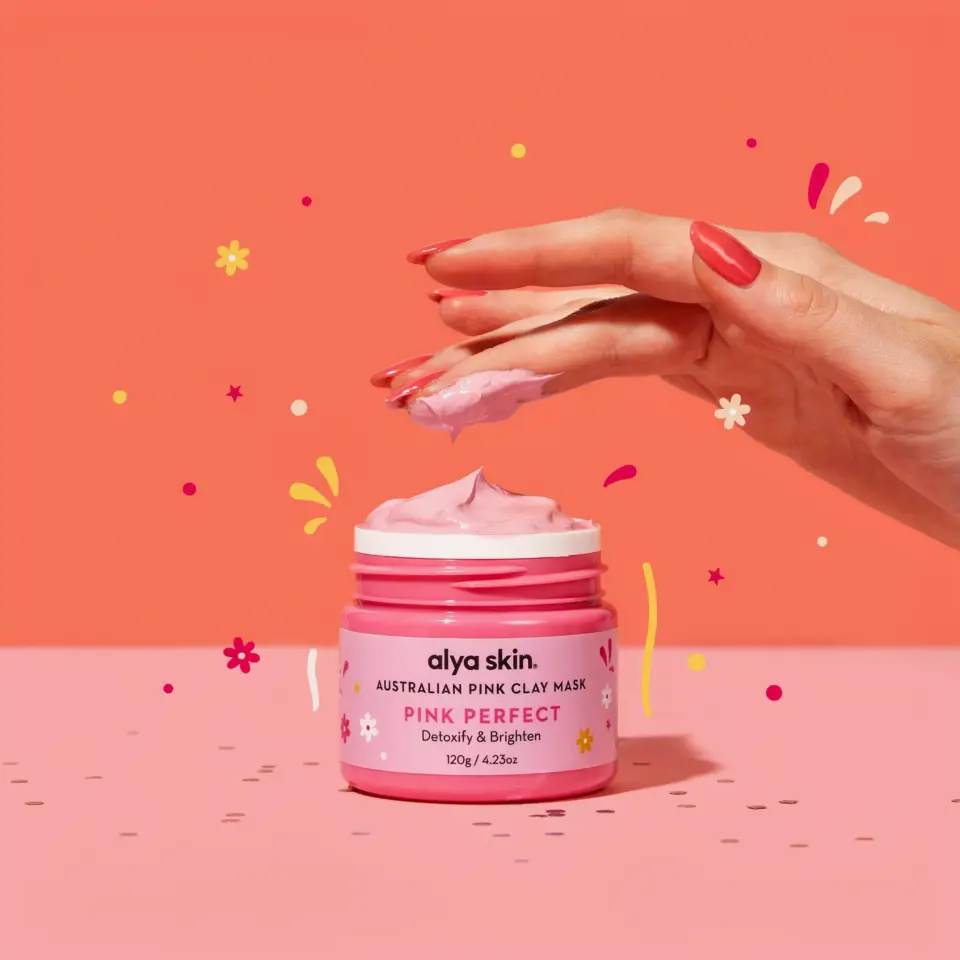
What is Aussie Pink Clay and Why It Works for Aging Skin
If you are new to clay masks, the idea of putting what looks like mud on your face might feel a little odd. But trust me, this Aussie pink clay mask is different. It is not just any clay. Pink clay is a blend of red and white clay, which makes it gentle enough for dry or mature skin while still being effective at drawing out impurities. The Australian version often includes local botanicals like Kakadu plum or tea tree, which add extra antioxidant power.
For anti-aging, the key is that pink clay does not pull moisture out of your skin the way stronger clays (like bentonite) can. Instead, it absorbs excess oil and dirt without leaving your face tight or flaky. That balance is crucial because dehydrated skin shows fine lines more easily. So this mask targets the two main aging concerns: clogged pores that dull your glow, and lack of moisture that makes wrinkles look deeper.
I have used many clay masks over the years, and the pink variety is the only one that leaves my combination skin feeling plump rather than parched. If you have never tried a clay mask before, start with a pink one. It is a beginner-friendly way to get the benefits without the shock.
How This Mask Draws Out Impurities Without Stripping Moisture
You might wonder how a mask can clean your pores and still keep your skin hydrated. The answer lies in the particle size and mineral content of pink clay. The particles are smaller than in red clay but larger than in white clay, so they gently bind to sebum, makeup residue, and environmental gunk. As the mask dries, it lifts those impurities away from the skin surface.
But because pink clay does not dry rock hard like some other clays, it does not create that suction effect that pulls out moisture along with the dirt. Many Australian brands also add aloe vera or glycerin to the mask formula, which helps your skin retain water. I like to spritz my face with a hydrating mist before applying the mask, which boosts the moisture-replenishing effect even more.
If you have sensitive or aging skin, stripping moisture is the last thing you want. Fine lines become more noticeable when your skin barrier is compromised. This mask is ideal because it cleans without aggression. You can use it weekly without fear of irritation.
Key Anti-Aging Ingredients in Aussie Pink Clay Masks
Not all pink clay masks are the same. Look for formulas that pair the clay with ingredients that actively fight signs of aging. Here are the ones I have found most effective in Australian products:
- Kakadu plum extract – one of the richest natural sources of vitamin C, which brightens skin and supports collagen production.
- Rosehip oil or jojoba oil – lightweight oils that moisturize and provide antioxidants like vitamin E and fatty acids.
- Green tea or chamomile – calming ingredients that reduce redness and protect against free radical damage.
- Hyaluronic acid – holds moisture in the skin, keeping the surface smooth and plump after the mask is rinsed off.
- Lactic acid or fruit enzymes – mild exfoliants that gently remove dead skin cells, so your glow is not hidden by a dull layer.
When I choose a mask, I read the ingredient list for these additions. A plain pink clay powder can be good, but a blend with these actives gives you anti-aging benefits in a single step.
How to Use a Pink Clay Mask for Best Results at Home
Using a clay mask for the first time is easy. Start with a clean face. Remove any makeup or sunscreen with your regular cleanser, then pat dry. Apply a thin, even layer of the mask with clean fingers or a brush. Avoid the eye area. I wait about 10 to 15 minutes until the mask is mostly dry but still slightly damp to the touch.
Do not let it crack completely. That is a sign it is pulling too much moisture. Rinse with warm water using gentle circular motions, which gives a little exfoliation. Follow with your usual moisturizer or a facial oil. For best results, use this mask once a week. If your skin feels fine after two weeks, you can increase to twice weekly, but keep an eye on hydration.
I like to do this on Sunday evenings. It feels like a reset before the week starts. The whole routine takes less than 20 minutes and you do not need any fancy tools.
What to Expect After Your First Few Uses
Do not expect dramatic changes overnight. The first time you use an Aussie pink clay mask, your skin may feel softer and look a bit clearer. Pores might appear smaller, especially around your nose and chin. Many people notice that their moisturizer absorbs better after the mask because dead skin and excess oil have been removed.
After three or four weekly uses, you will likely see a more even skin tone. The mask helps fade dullness, which is a common aging concern.
Leave a Comment