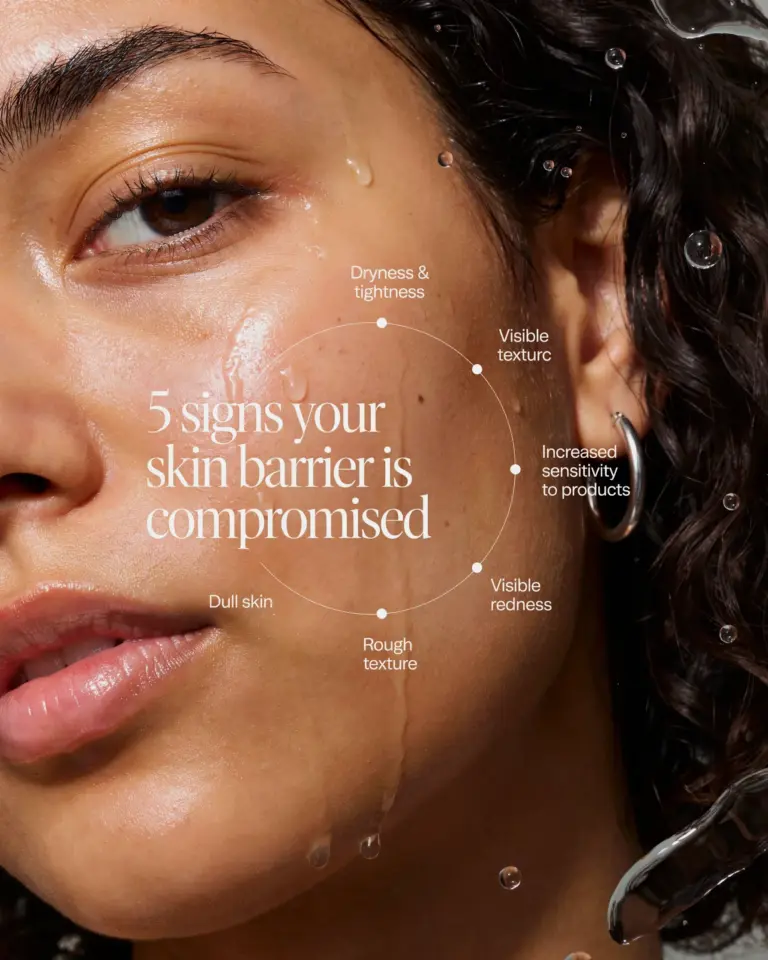
Your skin microbiome is a living ecosystem of bacteria, fungi, and viruses that live on your skin’s surface. Think of it as a tiny invisible garden, and when it’s healthy, your skin looks calm, hydrated, and resilient. But when this delicate balance gets thrown off, dryness, redness, and even premature fine lines can creep in. I’ve learned this the hard way after years of over-exfoliating and stripping my skin with harsh cleansers, and I want to share what actually works to restore that protective barrier from the inside out.
What Is the Skin Microbiome and Why Should You Care?
Your skin microbiome is a community of trillions of microorganisms that live on every inch of your body, including your face, arms, and scalp. These beneficial bugs help defend against harmful pathogens, regulate oil production, and keep your skin’s pH slightly acidic (around 4.7 to 5.5). When the microbiome is balanced, your skin naturally fights dryness and inflammation.
If you’ve never thought about your skin as a living habitat, you’re not alone. I used to treat my face like a passive surface to scrub and layer products on. The truth is, your skin is an active organ, and its microbiome is the first line of defense against environmental stressors like pollution, UV rays, and even rough weather.
How a Disrupted Microbiome Leads to Premature Aging
When your microbiome is out of whack, a few things happen. Bad bacteria can overgrow, triggering inflammation that breaks down collagen and elastin. That’s where premature fine lines, sagging, and uneven texture come from. Redness and sensitivity are also common signs that your skin’s natural barrier is struggling.
I started noticing this after using a high-strength retinol without giving my skin breaks. My cheeks turned blotchy, and my usual glow faded into a dull, crepey look. That’s when I realized I wasn’t just dealing with dryness. I had disrupted the very ecosystem that keeps my skin looking young.
- Inflammation from imbalance accelerates collagen breakdown.
- Dryness and flakiness appear because the moisture barrier is compromised.
- Increased sensitivity to products and weather.
- Uneven tone and texture become more noticeable over time.
Signs That Your Skin Microbiome Needs a Reset
How do you know if your microbiome is off? Look for patterns. Do you get random breakouts after switching cleansers? Does your skin feel tight or sting after washing your face? Do you have persistent redness on your cheeks or nose? These are all clues that your microbial balance might be struggling.
Another big one is that no matter how much moisturizer you slather on, your skin still feels parched by midday. That happened to me when I was using a foaming cleanser with sulfates. It stripped away the good bacteria along with dirt, leaving my skin defenseless. If any of this sounds familiar, it’s time to think about restoring balance rather than adding more active ingredients.
Restore Balance With Probiotics and Prebiotics in Skincare
Probiotics are live beneficial bacteria that can be applied topically to help replenish your skin’s natural community. Look for ingredients like lactobacillus ferment or bifida ferment lysate in serums and moisturizers. These strains help calm inflammation and support a healthy pH level.
Prebiotics are the food that good bacteria need to thrive. Ingredients like inulin, fructooligosaccharides, and beta-glucan feed the beneficial bugs already living on your skin. Using products that combine both probiotics and prebiotics is like giving your skin garden a fresh batch of seeds plus fertilizer.
I started using a gentle cream with lactobacillus ferment last winter, and within two weeks my redness calmed down and my skin felt bouncier. It wasn’t a dramatic overnight fix, but the slow improvement told me the ecosystem was rebuilding.
Gentle Skincare Habits That Support a Healthy Microbiome
You don’t need a complicated 10-step routine. The most important change is to stop over-cleansing and over-exfoliating. Use a mild, non-stripping cleanser like a cream or oil-based formula. Avoid foaming washes with sulfates. Wash your face only once a day if your skin is dry, and use lukewarm water.
Exfoliate no more than once or twice a week, and choose gentle chemical exfoliants like lactic acid or PHAs instead of harsh physical scrubs. Apply moisturizer immediately after cleansing to lock in hydration and support the skin barrier. Another simple tip: avoid touching your face throughout the day to prevent transferring disruptive microbes from your hands.
I also suggest giving your skin a break from active ingredients (retinoids, strong acids, vitamin C) for a week or two if you suspect imbalance. A mini reset can work wonders.
Diet and Lifestyle Choices That Feed Your Skin From Within
What you eat directly affects your skin’s microbiome. Fermented foods like yogurt, kefir, sauerkraut, and kimchi introduce beneficial bacteria to your gut, which in turn supports your skin. A healthy gut microbiome is linked to reduced inflammation and fewer breakouts.
Also, eat plenty of fiber-rich vegetables, fruits, and whole grains. These act as prebiotics for your gut bacteria. Stay hydrated with water, but don’t overdo it. Drinking when you’re thirsty is usually enough. Stress management is another huge piece, because chronic stress raises cortisol, which can throw off
#skincaremicrobiome #antiagingskincare #healthyglow #probiotics #skincaretips
Leave a Comment