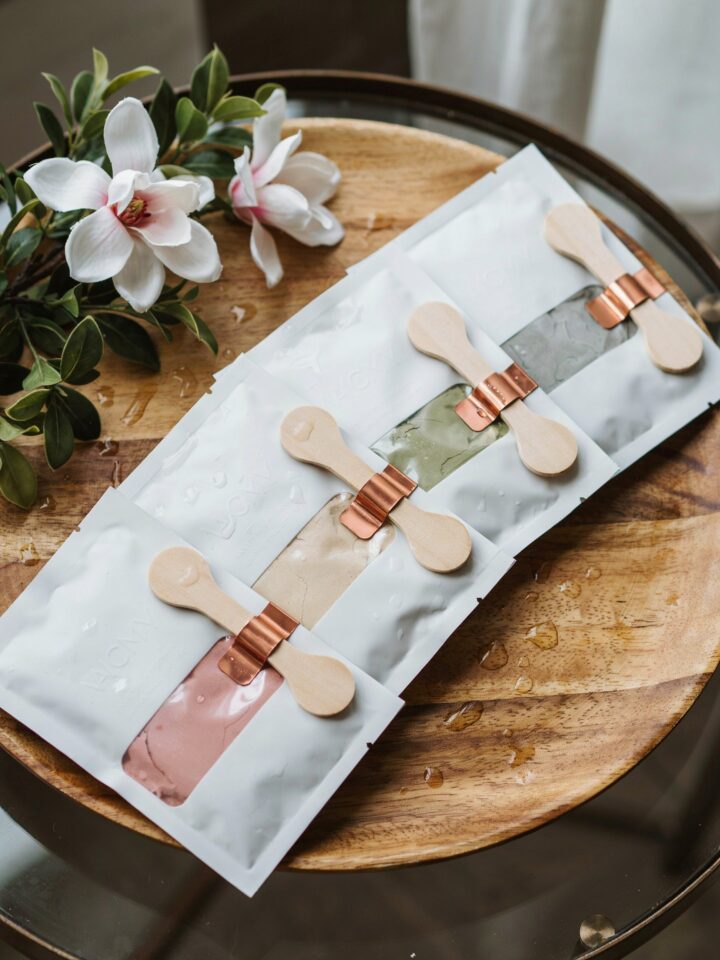
Why Your Sensitive Skin Needs a Different Kind of Clay Mask
If you have sensitive skin, you might have heard that clay masks are too harsh. Redness, stinging, or tightness after a mask is a common complaint. But a sensitive skin clay mask made with rose and rhassoul clay changes the game. It can detox your pores without stripping your moisture barrier. I have been making my own masks for years, and this blend is one I trust for my own reactive complexion. The key is choosing ingredients that calm while they cleanse, not fight your skin.
Most commercial clay masks rely on kaolin or bentonite, which can be drying or irritating. Rhassoul clay from Morocco is different. It is a fine, mineral-rich clay that pulls out impurities without pulling your skin tight. When you add rose powder and hibiscus, you get a mask that soothes redness and gently exfoliates. This is not your teenage acne mask. This is a self-care ritual for anyone who wants a clear, calm face without the drama.
What Makes Rhassoul Clay So Gentle for Your Face
Rhassoul clay is a natural mineral clay that forms in volcanic deposits in the Atlas Mountains. Its particles are much smaller than those of other clays. That means it can absorb excess oil and draw out dirt from deep within your pores without creating a pulling, cracking sensation. When you apply a rhassoul mask, it dries gradually and stays pliable. You won’t feel like your face is shrinking into a shrunken head.
This clay is naturally rich in silica, magnesium, and potassium. These minerals help soften the skin and improve circulation. For sensitive skin, that is a huge plus. You get the detox benefits of a clay mask, but your skin stays hydrated and calm. I have found that even when I leave it on for ten to twelve minutes, my face feels fresh, not dry. That is rare for a clay mask.
How Rose and Hibiscus Calm Redness and Irritation
Rose powder and hibiscus powder are not just for pretty color. Rose has natural anti-inflammatory properties that can reduce redness and swelling. It also contains vitamins A and C, which help brighten the skin over time. When you mix rose into your clay mask, it turns the experience into something almost spa-like. The scent alone is soothing.
Hibiscus is a natural source of alpha hydroxy acids (AHAs). But don’t let that scare you. The concentration in a powder form is very mild. It gently exfoliates dead skin cells on the surface, which can help with dullness and clogged pores. Together, rose and hibiscus work to calm your skin while the rhassoul clay does the heavy lifting of detoxification. This combination means even someone with rosacea or eczema can often tolerate this mask.
How to Use Your Rose and Rhassoul Clay Mask (Step by Step)
This is a beginner-friendly mask. You do not need a chemistry degree to mix it. Each 1-ounce jar of dry powder makes two to three masks. That is a small batch so you can test if your skin likes it before committing to a larger jar. Here is a simple routine I follow:
- Take a clean, dry bowl. Use the wooden spoon included in your jar. Scoop out one heaping teaspoon of the powder.
- Add one to two teaspoons of warm water (or rose water for extra calming). Stir slowly until you get a smooth, thick paste. You want it spreadable but not runny.
- Apply to clean, dry skin. Avoid the eye area. Use your fingers or a soft brush. Apply a thin even layer. Do not pile it on thick.
- Leave on for 5 to 10 minutes. Do not let it dry completely. If you feel tightness, rinse earlier. Sensitive skin does better with a slightly wet mask.
- Rinse with warm water using gentle circular motions. Pat dry. Follow with a light moisturizer.
I recommend using this mask once a week. If your skin tolerates it well, you can try twice a week in the summer. Listen to your skin. If it feels too dry or tingly, back off. This mask is forgiving, but your skin knows best.
Why This Facial Clay Mask Is Perfect for Sensitive Skin (and Not Just Marketing)
Many brands claim their products are for sensitive skin. But they often include essential oils, alcohol, or synthetic fragrances that can cause problems. This all-natural facial clay mask uses only plant powders and clay. There are no hidden irritants. The rose powder gives a natural scent, and the hibiscus provides color. You are not paying for fillers or preservatives. You are paying for real ingredients that do one job well.
Another reason I love this mask is the texture. Because it uses rhassoul clay, the mask stays creamy and never cracks. That means you can move around, talk, or even laugh while wearing it. For someone with sensory sensitivities, that matters a lot. I have tried masks that feel like cement. This feels more like a soft mud pack. It rinses off easily with water, no scrubbing required.
What to Expect After Your First Rose Clay Mask
Your face might look a little flushed right after rinsing. That is normal. The circulation increase from the clay and the mild exfoliation can cause a brief pinkness that fades within twenty minutes. You should not feel burning or stinging. If you do, rinse immediately and skip the mask next time. Blot your face dry and apply your usual moisturizer. I like to use a simple fragrance-free lotion after this mask.
Over the next day, you might notice that pores look smaller and your skin feels smoother. The true benefits come with consistent use. After three or four weekly masks, your skin may become less reactive overall. The gentle detox helps clear out the buildup that can cause irritation. This mask is not a miracle cure. It is a steady, reliable tool for keeping your sensitive skin balanced.
Storing Your Mask and Making It Last
#allnatural #facialclaymask #sensitiveclayfacemask #rose
Leave a Comment