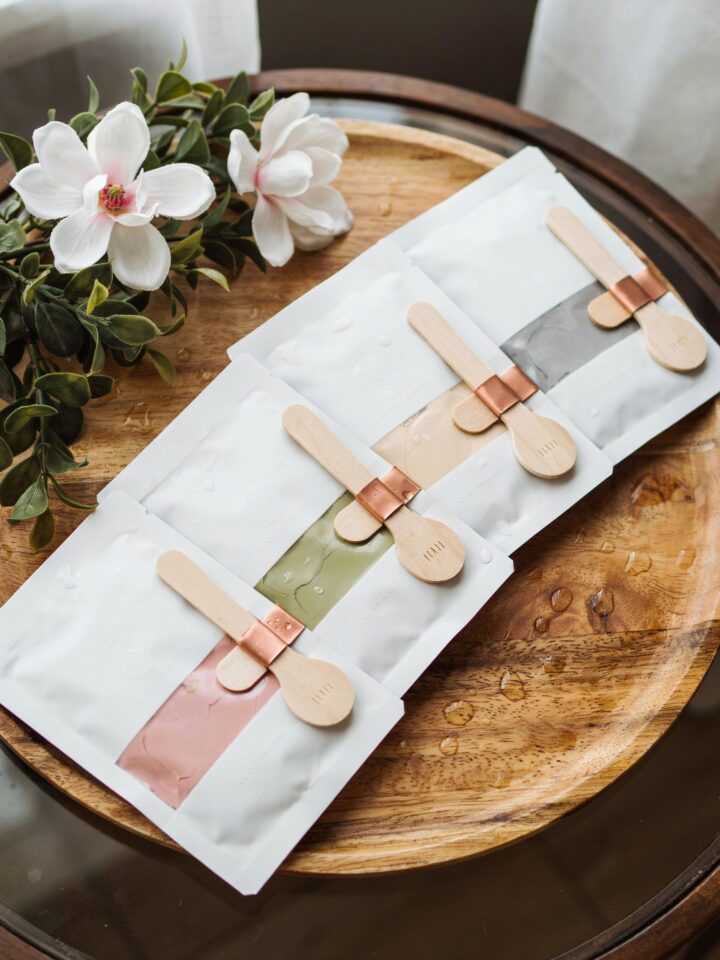
If you have sensitive skin, finding a clay mask that doesn’t leave your face red and angry can feel impossible. That is exactly why this Sensitive Skin Clay Mask with rose and hibiscus exists. It is blended with gentle rose clay and soothing hibiscus flower powder, with no added fragrance or scent. Many people buy a natural clay mask hoping for calmness, but then make small mistakes that ruin the experience. Let me walk you through the most common errors and exactly how to avoid them. That way, you can actually enjoy that relaxing self-care ritual without any unwanted irritation.
Choosing the Wrong Clay Base for Your Skin Type
The biggest mistake I see is grabbing any clay mask off the shelf without checking the base ingredient. Bentonite and French green clay are powerful, but they can be too strong for sensitive skin. They pull out oil aggressively, which often triggers redness and tightness. Instead, look for a mask that uses rose clay (also called pink kaolin clay). This is the mildest of the clays and perfect for reactive or dry complexions. The RoseClayFaceMask in this blend is non-stripping, so it gently detoxifies without leaving your skin feeling like parchment. If your skin tends to flush easily, rose clay should be your first choice every time.
Overlooking the Importance of No Added Fragrance
Another common pitfall is assuming that natural fragrance is safe for sensitive skin. Even essential oils like lavender or tea tree can cause contact dermatitis on already irritated skin. That is why this specific mask contains zero fragrance, natural or synthetic. The hibiscus and rose provide a subtle herbal note, but there is nothing added to create a scent. When you use a fragrance free clay mask for redness, you remove one of the biggest triggers for inflammation. My advice? If the ingredient list says parfum, essential oils, or even just “fragrance,” put it back. Your skin will thank you.
Using Too Much or Too Little Water
I have watched friends dump a whole bag of powder into a bowl and then guess at the water amount. That leads to a lumpy mess that either drips off your face or hardens into a cement block. Getting the consistency right is key for a how to mix clay mask for sensitive skin routine. Start with one teaspoon of the powder (the wooden spoon that comes with the 1oz bag is perfect). Add about one and a half teaspoons of cool or lukewarm water. Stir slowly until it forms a smooth, yogurt-like paste. Too runny? Add a tiny pinch more powder. Too thick? Add a drop of water. The goal is a spreadable paste that stays put without cracking.
- Use cool water to avoid activating the clay too quickly.
- Mix in a glass or ceramic bowl, never metal (metal can react with clay).
- Always add water to the powder, not the other way around, to prevent clumps.
- If you want extra soothing, substitute water with plain rose water (no added alcohol).
Leaving the Mask On Too Long
One of the most common questions I get is, “Should I leave it on until it fully dries?” No, no, no. The tough, cracked mask look might feel like it is working, but that is actually pulling moisture out of your skin. For a sensitive complexion, leaving a clay mask on too long can cause rebound redness and breakouts. The timing depends on the clay, but with a gentle how long to leave clay mask on sensitive skin guide, keep it between 5 and 10 minutes. Start checking at the 5 minute mark. If the mask has lightened in color and feels slightly dry around the edges (but not cracked), it is time to rinse. Do not wait for it to turn into a hard shell.
Signs you have left it too long: your skin feels tight or prickly, the mask forms deep cracks, or the corners of your nose feel itchy. If that happens, rinse immediately and apply a hydrating toner. Your skin barrier will forgive you, but it is better to underdo it with clay masks than overdo it.
Skipping the Gentle Removal Technique
Most people scrub the mask off with a wet cloth or their fingers. That is a quick way to irritate already sensitive skin. The clay is drawing out impurities, but rubbing it off can undo all that calm you were aiming for. Instead, use a gentle clay mask removal for sensitive skin method. Wet your hands with lukewarm water and pat your face until the mask softens. Then gently sweep it off with your fingertips using circular motions. No need for a washcloth unless you use a super soft
#SensitiveSkinMask #NaturalClayMask #RoseClayFaceMask #HibiscusSkincare #AllNaturalSkincare
Leave a Comment