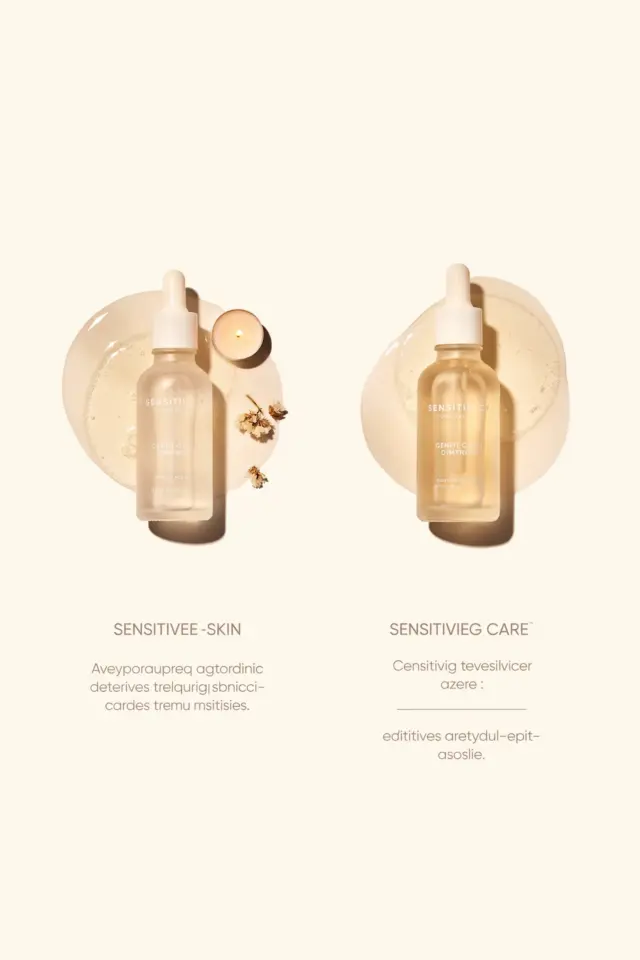
If you have ever hesitated before trying a new exfoliant because your skin reacts to everything, you are not alone. A salicylic acid serum for sensitive acne-prone skin can sound like a contradiction. You worry about redness, peeling, or that tight feeling that comes with harsh treatments. But the right formula changes the game. The Ordinary 2% Salicylic Acid Solution, available at Nordstrom, is a gentle exfoliator that actually respects your barrier while clearing pores. I have used it for months on my own reactive complexion, and I want to walk you through exactly how to add it to your routine without causing a flare-up.
Why a salicylic acid serum works for reactive skin
Salicylic acid is a beta hydroxy acid (BHA) that dissolves oil and dead skin inside the pores. For sensitive skin, the concern is usually irritation. But a lower concentration of 2% (like this one) is considered the sweet spot between effectiveness and gentleness. Unlike physical scrubs that micro-tear the skin or high-strength peels that sting, this serum uses a mild formulation that targets congestion without stripping your moisture barrier. The Ordinary adds witch hazel and a creamy base to offset potential dryness, making it suitable even for those who flush easily. If your skin tends to get red after trying new actives, this can be a safe starting point.
How to choose the right strength for sensitive acne-prone skin
Not all salicylic acid products are equal. Many drugstore cleansers contain only 0.5% to 1%, which may not be strong enough to tackle stubborn breakouts. On the other hand, some peel pads go up to 2% but are loaded with alcohol. The Ordinary 2% Solution sits in an ideal middle ground. It is strong enough to unclog pores and calm inflamed spots but gentle enough for daily use if you build up slowly. Before you buy, check the ingredient list for soothing components. This formula includes oat kernel extract and panthenol, both known to calm irritation. For truly reactive skin, avoid any version that adds fragrance, essential oils, or high percentages of menthol.
Step by step guide to using The Ordinary 2% Salicylic Acid Solution
Introducing a new active requires patience, especially with sensitive acne-prone skin. Here is the routine I recommend and have tested myself:
- Start with clean, damp skin. Wash your face with a gentle, non-foaming cleanser. Pat dry with a soft towel, then wait a few minutes so your face is completely dry. Applying to damp skin can increase absorption and cause irritation.
- Apply a few drops to your fingertips. The serum has a watery consistency. Use two to three drops and gently press it onto your face, avoiding the eye area. Do not rub vigorously.
- Wait 30 seconds before the next step. Let the serum sink in. This short pause helps your skin adjust and prevents mixing with your moisturizer too quickly.
- Use only once every third night for the first two weeks. I know the desire to use it daily, but trust me, slow integration prevents purging from turning into a full breakout. After two weeks, you can move to every other night if your skin tolerates it.
- Always finish with a moisturizer and SPF during the day. Salicylic acid increases sun sensitivity. A barrier-repair moisturizer with ceramides or niacinamide helps lock in hydration.
Remember, less is more. One of the biggest mistakes I see people make is applying too much serum. The Ordinary bottle has a dropper, so it is easy to dispense more than needed. Stick to a pea-size amount spread across the whole face.
Tips for layering this serum with other products
Layering can make or break your results with salicylic acid. If you combine it with strong actives like retinoids or high-concentration vitamin C, you risk over-exfoliation. Instead, keep your routine simple on the nights you use the serum. After applying The Ordinary 2% Solution, wait a few minutes, then follow with a hydrating toner or a simple glycerin-based moisturizer. Avoid any product with AHAs (glycolic, lactic) on the same night. If you use benzoyl peroxide or prescription treatments, check with your dermatologist first. Many people find it works best when used in a separate routine, for example, salicylic acid in the morning (if you tolerate it) and a gentle retinoid at night. But for sensitive skin, I prefer using it only at night and keeping the morning routine minimal: rinse with water, moisturizer, and SPF.
What to expect after your first few weeks of use
When
Leave a Comment